To become a surgeon is something entirely different. It is an ontological shift.
The journey to becoming a surgeon is often measured in years of residency hours spent in the operating theatre and cases logged. It’s a narrative woven through sutures and scars, protocols and precision. However, beneath this visible structure lies a quieter, profound transformation. A surgeon isn’t simply trained in technique; they’re ‘shaped’ – slowly tempered like steel under heat and pressure – into a unique way of seeing, deciding and being.
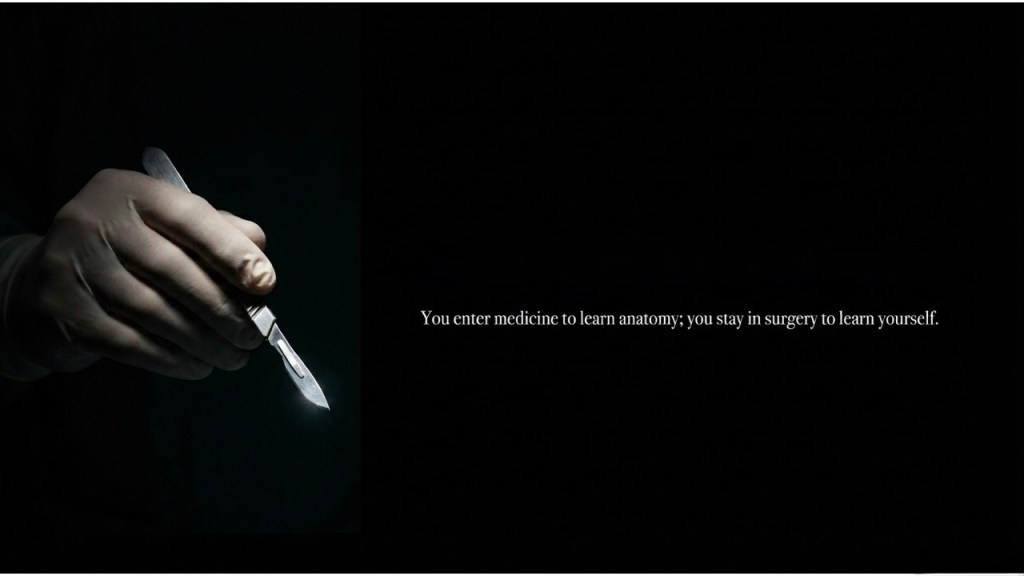
Initially, there’s imitation. The young trainee observes hands – their grip, hesitation and commitment. Every movement is deliberate and rehearsed. The scalpel feels heavier than it should not because of its weight but because of the weight of its consequences.
There is a moment, somewhere between the first incision and the hundredth, when something shifts. The surgeon no longer follows steps; the surgeon begins to anticipate. The anatomy is no longer a diagram—it becomes a landscape, alive with variation, unpredictability, and subtle cues that cannot be written in any textbook. But this evolution is deeply moral.
“At first you learn the rules. Then you learn when they bend. Finally, you learn why they existed at all.”
To cut into another human being is an act that resists easy justification. It demands not only knowledge, but a philosophy. The surgeon must learn to reconcile contradiction: to harm in order to heal, to act decisively in the face of doubt, to carry outcomes that are not always kind. There are no clean victories in surgery—only negotiated ones.
“The scar is the signature of both success and humility.”
Becoming a surgeon means learning to live with uncertainty as a constant companion. No operation is ever fully controlled. No matter how skilled, no surgeon is omnipotent. Some variables elude even the most experienced hands—tissues that behave unpredictably, cases that do not go as planned, outcomes that linger long after the sutures are removed. These moments do not just test competence; they test character.
And yet, the surgeon must proceed. Not recklessly, but resolutely.
Do you retreat, or do you reflect? Do you defend, or do you learn? You realise that healing is not something you do alone. It is something you facilitate. We operate with precision, but we heal by permission.
“Every complication is a harsh teacher, but an honest one.”
“The scalpel must move forward, even when certainty does not.”
This is where courage enters—not the dramatic kind, but the quiet, persistent courage of responsibility. The courage to decide when evidence is incomplete. The courage to stop when persistence becomes harmful. The courage to say, ‘I do not know’—and still stand at the table. Over time, this courage reshapes the surgeon’s inner world. There is a recalibration of what matters. The trivial falls away. The essential sharpens. You start noticing things others miss – the tremor in a voice, the hesitation in a colleague’s hand or the subtle change in tissue signalling something’s wrong. Attention becomes a skill.
“A good surgeon sees what is there. A great one senses what is about to be.”
As the legendary pioneer of surgery René Leriche once wrote, “Every surgeon carries within himself a small cemetery, where from time to time he goes to pray—a place of bitterness and regret, where he must look for an explanation for his failures.”
This is the crucible of becoming. It is the realisation that the scalpel is a featherweight blade, yet it carries the gravitational pull of a dying star. The transformation happens in the quiet, agonizing moments after a loss. A surgeon goes home, stares at the ceiling, and absorbs the ghost. They must learn to care deeply enough to fight like hell, but detach quickly enough to scrub in for the next case twenty minutes later. It is a psychological tightrope walked in clogs and a paper mask.
“The art is not in feeling less, but in feeling wisely.”
And so, becoming a surgeon is less about mastery over the body and more about mastery over oneself. It is about cultivating judgment, humility, resilience, and an enduring respect for the fragility of life. The techniques will evolve. The instruments will change. The protocols will be rewritten. But the essence of becoming remains timeless.
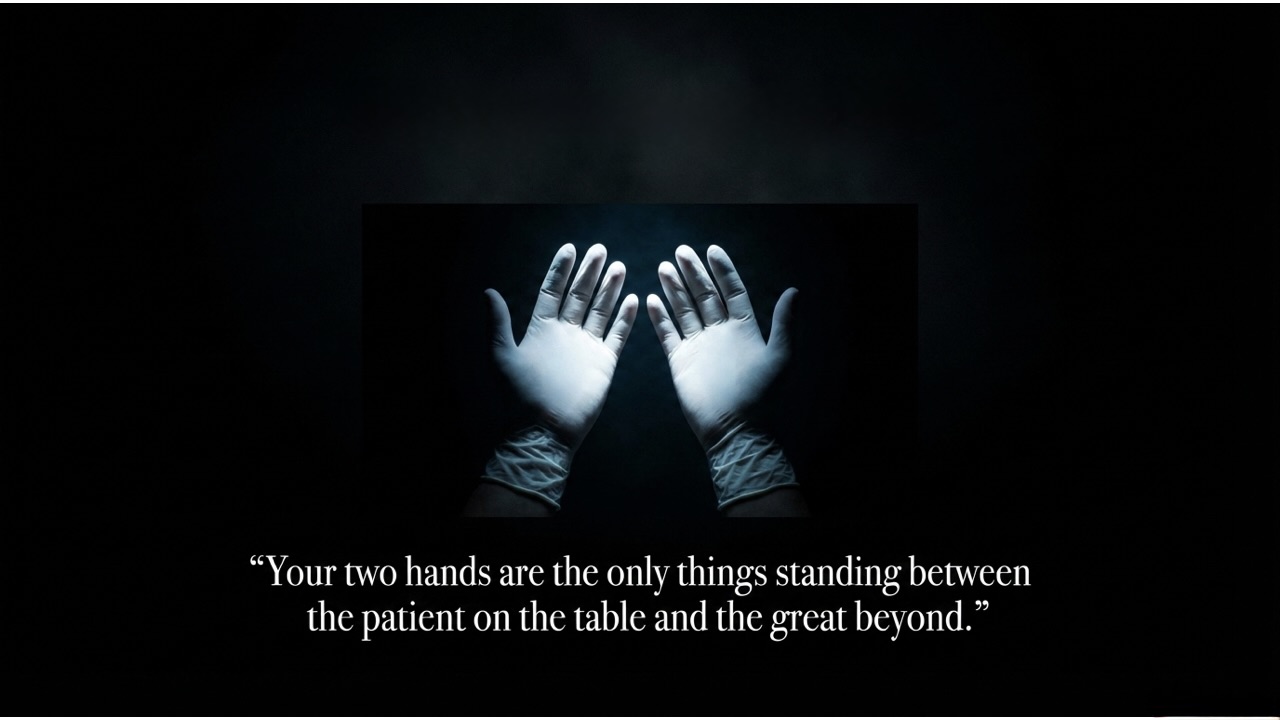
A surgeon, after all, is not defined solely by what they can do with their hands—but by what they carry in their mind, and what they hold in their heart. And also believe, that your two hands are the only things standing between the patient on the table and the great beyond.
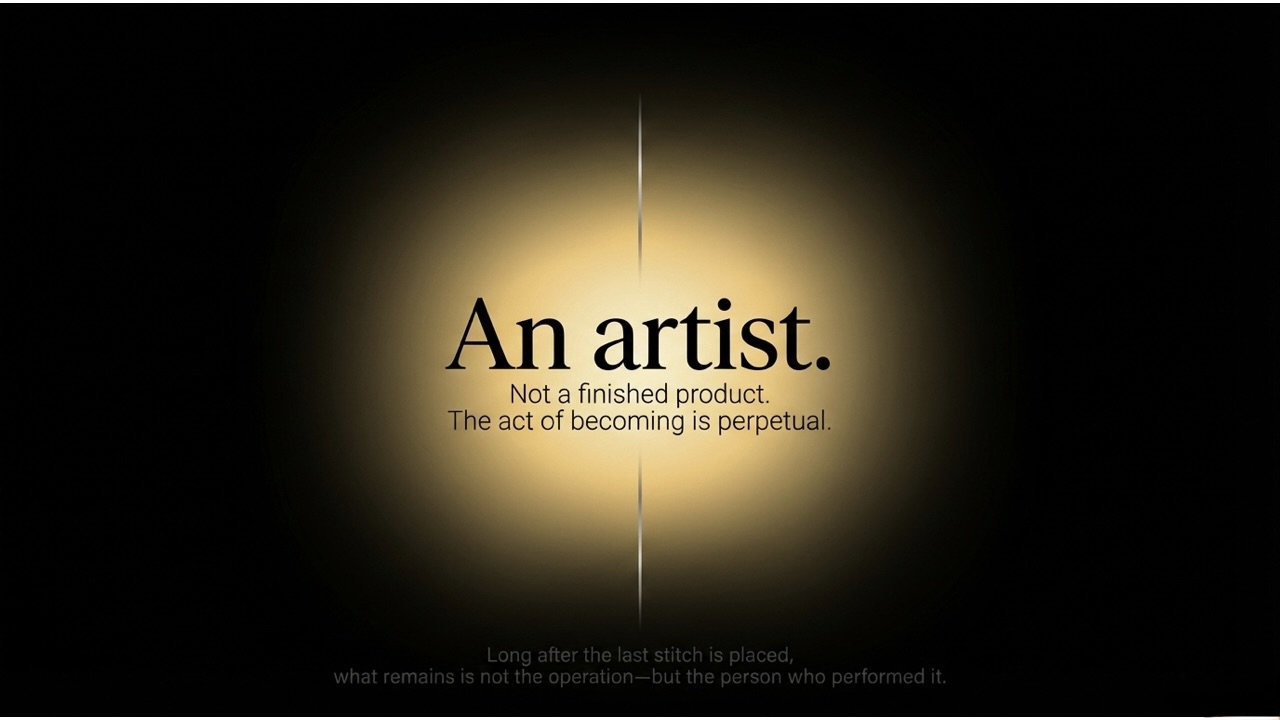
“Long after the last stitch is placed, what remains is not the operation—but the person who performed it.”
Conclusion
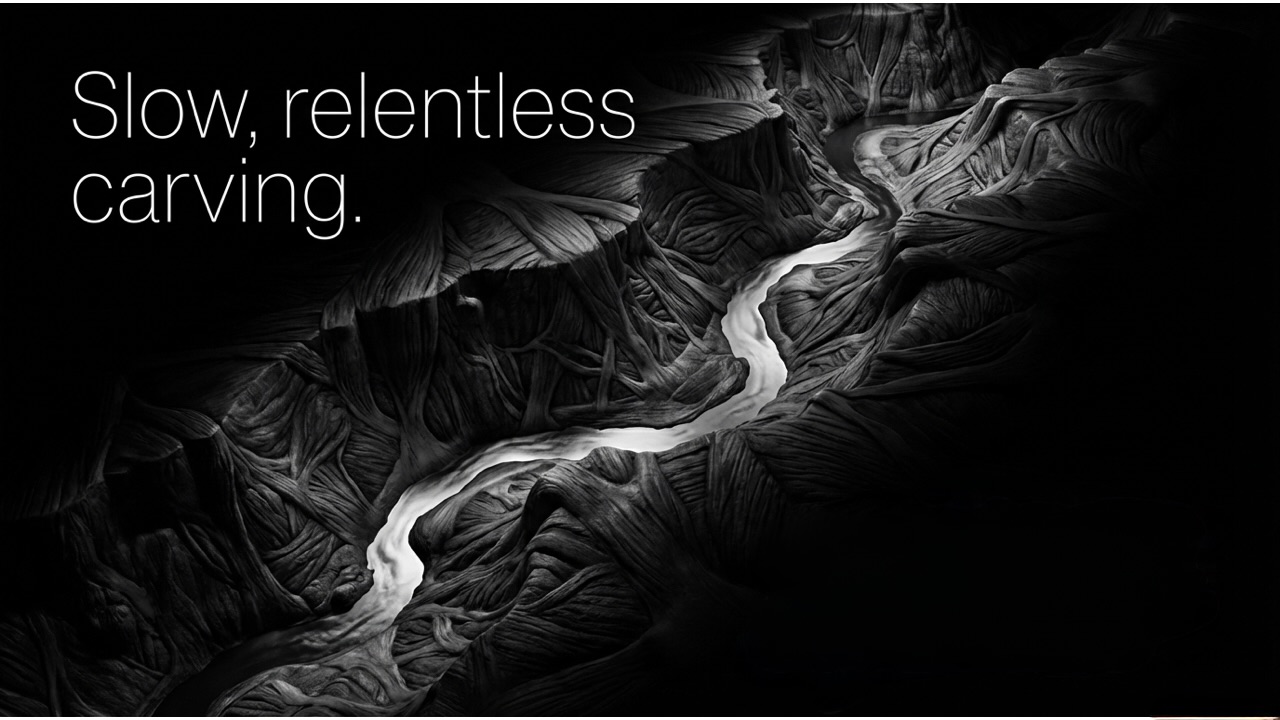
You become a surgeon the way a river becomes a canyon—not by force, but by showing up for the slow, relentless carving. A surgeon’s hands are never truly clean; they carry the invisible ink of every life they’ve touched.
Ultimately, a surgeon is never a finished product. The act of becoming is perpetual. It is hammered out on the anvil of the operating table, case by case, incision by incision.
 Siddhartha Phukan – My Surgical World
Leave a comment